
DeepL Aure is the first translation model that tries to carry how you speak into another language, not just what you say. DeepL unveiled Aure on November 11, 2026, and it is live now in DeepL Voice: real-time voice translation that follows your tone, emotion, emphasis and pace as they change mid-sentence — in your own voice.
Until now, translated speech sounded right but felt flat. A sarcastic remark came out sincere. An urgent warning came out calm. A pause before big news vanished. Aure exists to close that gap: it listens continuously and reshapes the translated voice as the speaker’s delivery changes, instead of locking in one tone at the start of the call.
What DeepL just launched
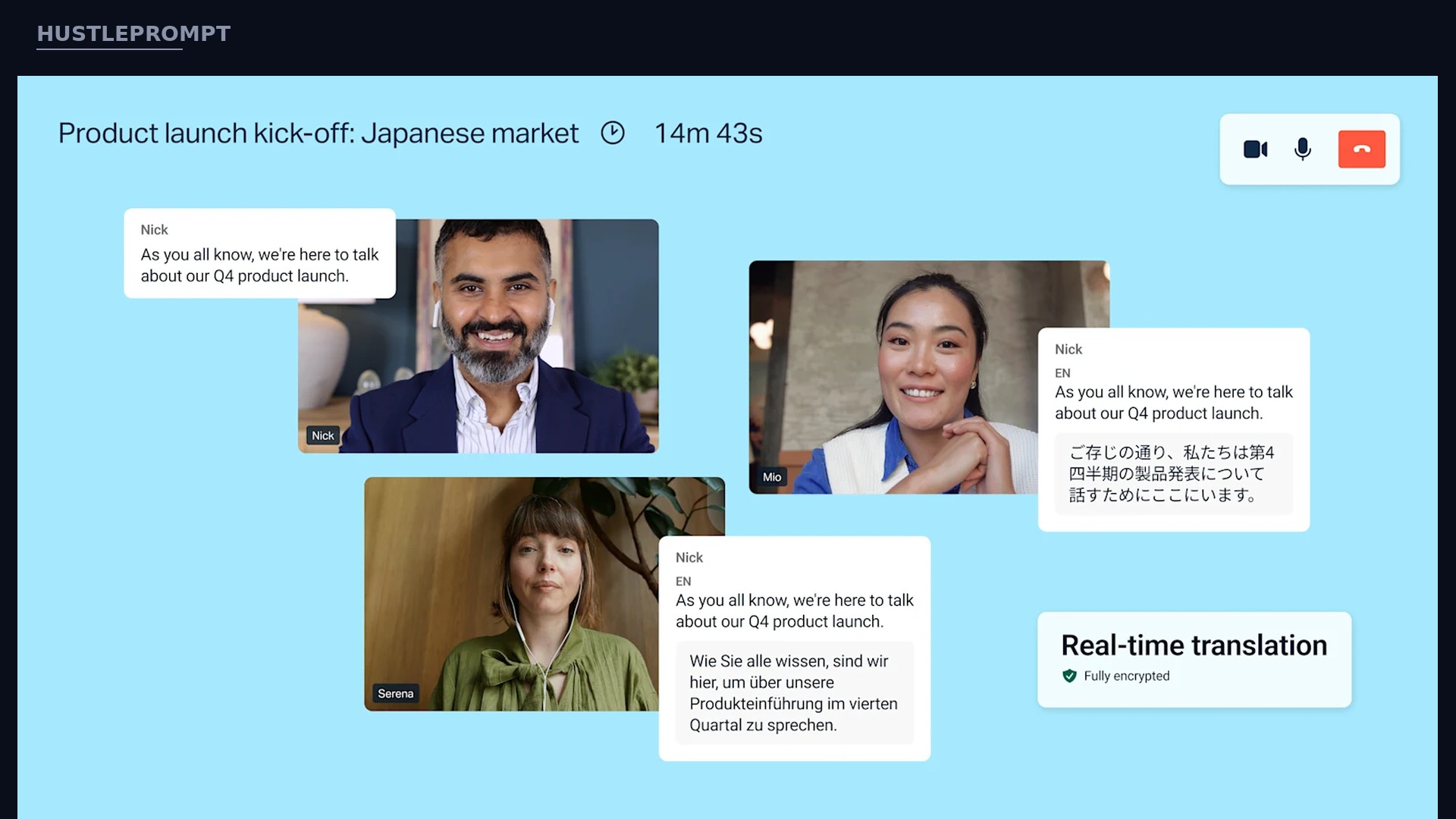
Aure powers DeepL Voice, the company’s real-time AI voice translation product. It is available automatically — no extra configuration — across DeepL Voice for Online Meetings, DeepL Voice for In-Person Conversations, and the DeepL API for Voice. At launch it supports 8 languages: English, German, Spanish, French, Italian, Japanese, Portuguese and Korean, with more to follow. Other languages keep using DeepL’s existing voice models.
“With DeepL Voice we are completely reversing that dynamic, adapting to the way people naturally speak rather than asking them to change. And now with Aure, we can capture even the subtlest shifts in expression as they happen and carry them into another language, in someone’s own voice and in real time.” — Jarek Kutylowski, CEO and Founder of DeepL, November 11, 2026
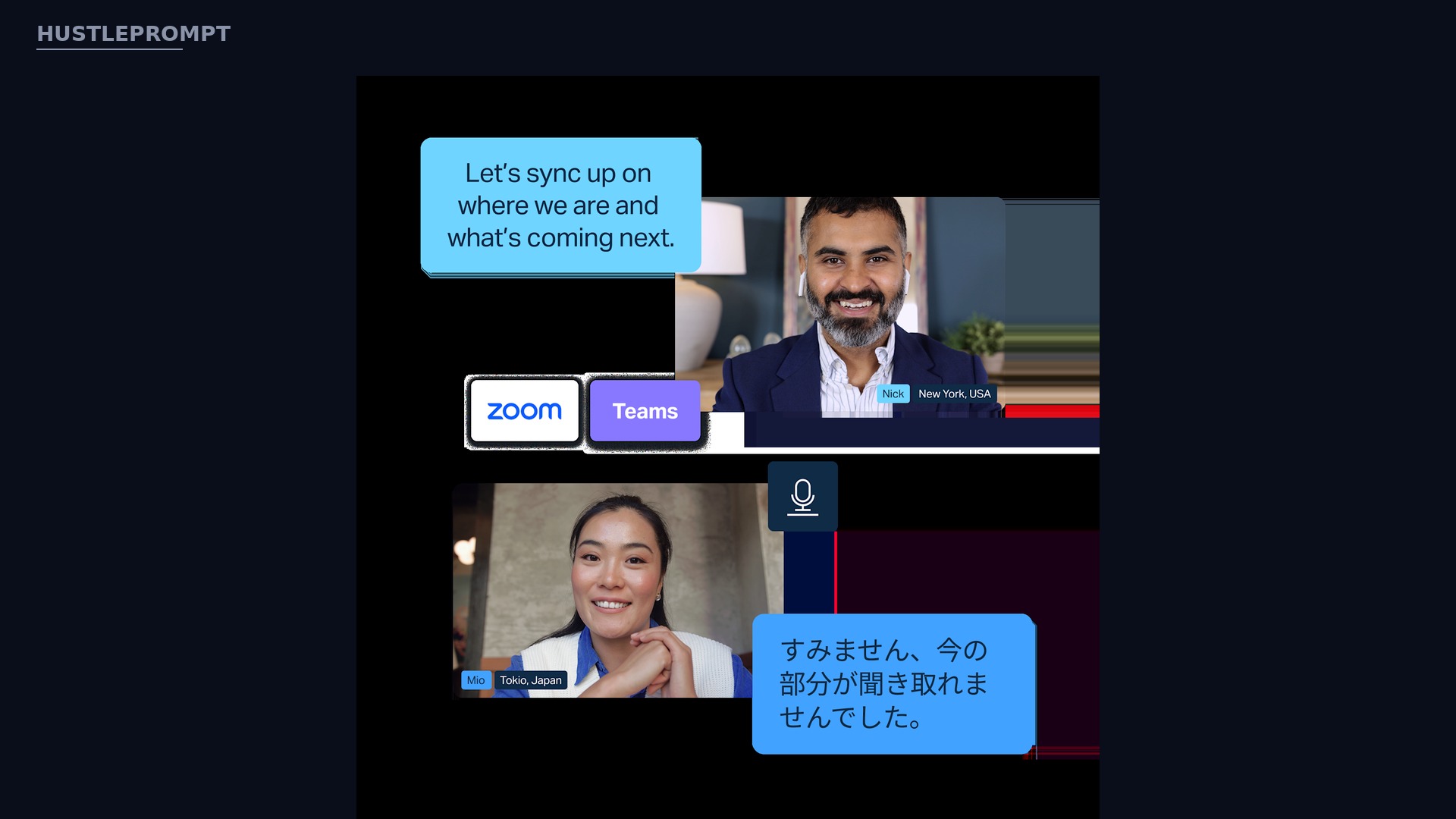
How Aure is different: snapshot vs. continuous
The technical change is the approach to the speaker’s voice. DeepL’s previous Voice models generated an expressive translated voice from a static sample taken in the opening moments of a conversation. That captured who was speaking, but not how — a fixed snapshot cannot follow a change in emotion, emphasis or pace, or carry delivery that contradicts the words, like sarcasm.
Old DeepL Voice vs. Aure
| Voice sample | Old: one static sample from the opening moments. Aure: continuous analysis of incoming speech, using translated words and source audio together. |
| What is preserved | Old: the speaker’s identity. Aure: identity plus tone, emotion, emphasis and pace as they change. |
| Hard cases | Old: flat delivery when emotion shifts. Aure: built to carry sarcasm, urgency, pauses and enthusiasm across languages. |
| Training | Old: voice preservation (September 2026). Aure: separates voice identity, prosody and content, then refines with reinforcement learning. |
| Noise handling | Aure isolates voice identity and prosody while filtering background noise, echo and audio distortion. |
| Privacy | DeepL Voice does not permanently store meeting transcripts or translations; session data is deleted from memory when the session ends. |
Source: DeepL via PR Newswire: DeepL unveils Aure, November 11, 2026.
Three engineering problems make this hard, and DeepL names all three. Real conversations are noisy, so Aure must separate the speaker’s voice from background sound. Carrying a voice across languages is harder than within one language, especially without exaggerating accents or distorting how someone sounds. And there is little training data of the same person speaking across languages — DeepL does not keep meeting recordings — so Aure must adapt to each speaker in real time, before they have even finished a sentence.
Aure at a glance
DeepL Aure: the launch facts
| Announced | November 11, 2026, Cologne, Germany |
| What it is | Voice AI model powering DeepL Voice real-time translation |
| Languages at launch | 8: English, German, Spanish, French, Italian, Japanese, Portuguese, Korean |
| Where it runs | DeepL Voice for Online Meetings, In-Person Conversations, and the DeepL API for Voice — automatic, no setup |
| Enterprise users | Pioneer Corporation, Aramark, Avendra International and Inetum already use DeepL Voice |
| Company scale | 200,000+ business teams and millions of individuals; 900+ employees; founded 2017 |
| Recognition | DeepL Voice named to Fast Company’s 2026 Next Big Things in Tech list (Applied AI) |
Source: DeepL via PR Newswire. DeepL is backed by Benchmark, IVP and Index Ventures.
Why this matters for business
Voice is how people express personality, confidence and authority — and in conversations that matter, how something is said can be as important as the words. DeepL’s pitch is that global businesses lose deals, trust and clarity when translation flattens delivery. A negotiator who sounds hesitant in translation when they were firm in their own language is at a disadvantage no transcript can fix.
That is why Aure’s first users are enterprises, not consumers. Pioneer, Aramark, Avendra International and Inetum already run DeepL Voice for multilingual communication and collaboration. For them, the upgrade is invisible — Aure applies automatically — but the output is a meeting where a joke lands as a joke and a warning lands as a warning, in eight languages.
How to profit from real-time voice translation
Aure turns multilingual meetings from a specialist skill into a service you can sell. The product does the translating; you sell the setup, the facilitation and the trust.
- Sell multilingual meeting support. Offer to run international client calls, supplier negotiations or team meetings for small businesses that cannot hire interpreters. DeepL Voice handles the translation; you handle the agenda, the tech and the follow-up. Check current pricing at deepl.com/pro before you quote a client.
- Translate the moment, not just the document. Text translation is crowded. Live voice — sales calls, onboarding sessions, support calls — is where a human plus Aure beats a human alone. Package it per meeting or per month.
- Target the 8 launch languages. English, German, Spanish, French, Italian, Japanese, Portuguese and Korean cover most cross-border trade. If your clients sell into Japan or Germany, Aure’s launch list is your lead list.
- Lead with privacy. DeepL Voice deletes session data from memory when the session ends and does not permanently store transcripts. For legal, medical and HR conversations, that is the sentence that closes the sale.
Start a meeting in DeepL Voice for Online Meetings, or an in-person conversation. Aure is already on — no setup.
Talk the way you normally talk. Aure tracks your tone, emphasis and pace as they change.
The other side hears the translation in your voice, with your urgency, pauses and enthusiasm intact.
Session data is deleted from memory when the meeting ends. Nothing is stored permanently.
Frequently asked questions
What is DeepL Aure?
Aure is DeepL’s newest Voice AI model, unveiled November 11, 2026. It powers DeepL Voice real-time translation and carries tone, emotion, emphasis and speaking pace into the translated language, in the speaker’s own voice.
Which languages does Aure support?
Eight at launch: English, German, Spanish, French, Italian, Japanese, Portuguese and Korean. More languages will follow, and other languages continue to use DeepL’s existing voice models.
Do I need to turn Aure on?
No. Aure applies automatically, with no additional configuration, across DeepL Voice for Online Meetings, DeepL Voice for In-Person Conversations and the DeepL API for Voice.
How is Aure different from DeepL’s earlier voice model?
The earlier model built the translated voice from a static sample taken at the start of a conversation. Aure analyzes speech continuously, using both the translated words and the source audio, so it follows changes in emotion, emphasis and pace — including sarcasm — as they happen.
Does DeepL Voice store my meetings?
No. According to DeepL, the technology does not permanently store meeting transcripts or translations, and deletes session data from memory when a session ends.
Who already uses DeepL Voice?
More than 200,000 business teams use DeepL’s Language AI platform. Named DeepL Voice enterprise users include Pioneer Corporation, Aramark, Avendra International and Inetum. DeepL Voice was also named to Fast Company’s 2026 Next Big Things in Tech list.