
LifeVal is OpenAI’s new test for the part of AI that actually matters to most people: everyday life, not exam questions.
OpenAI announced LifeVal on November 2, 2026, and its newest model, GPT-6 Astra, scores 80.6% on it.
That is up from 49.3% for GPT-5.2 less than a year earlier. But the most useful number in the announcement is not the headline score.
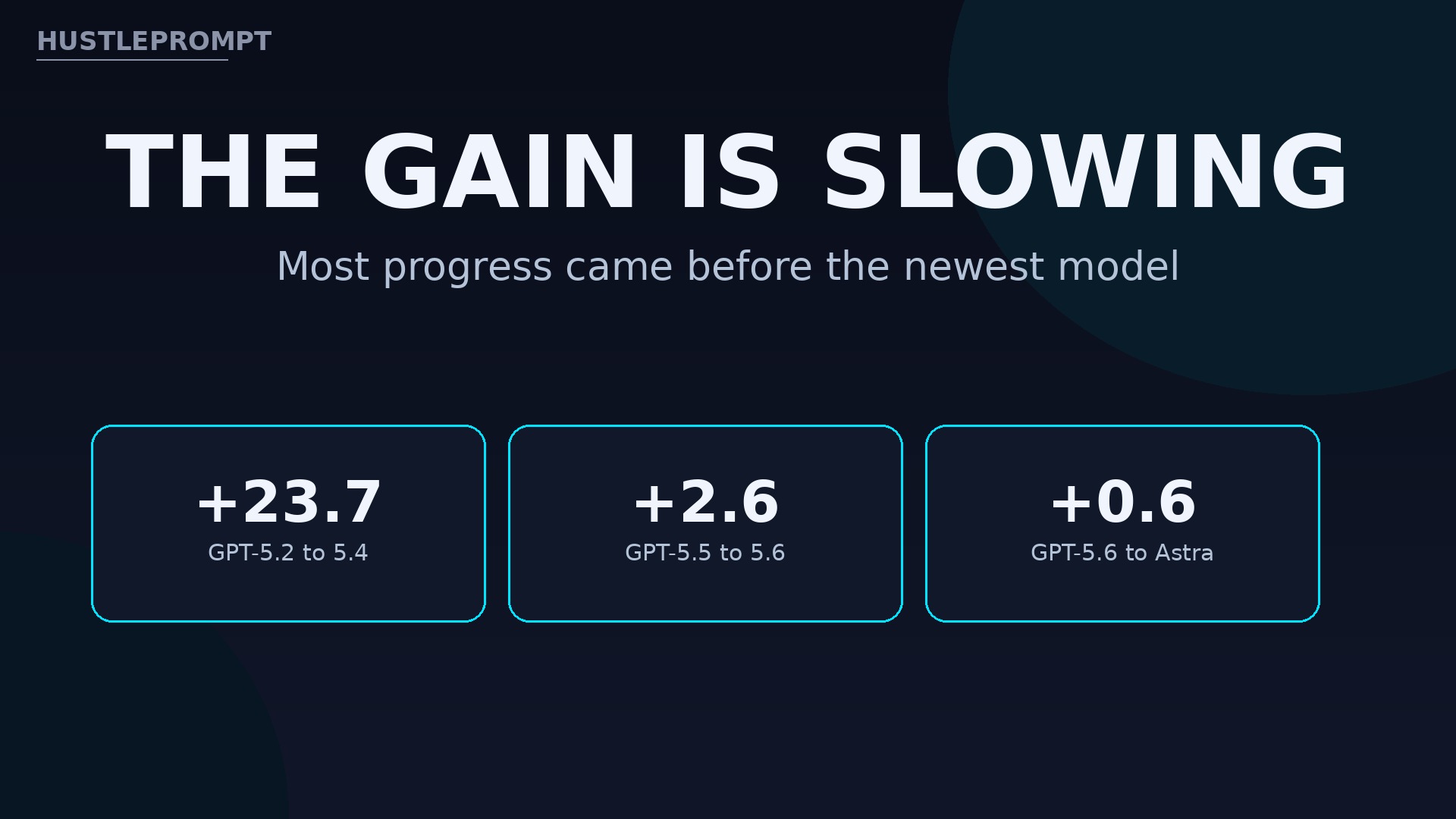
It is the slowdown at the top. The last two model generations added just 2.6 points, then 0.6 points. Everyday AI is getting better, but the easy gains are already banked.
What LifeVal Measures
LifeVal grades how well a model helps with practical, personal work. OpenAI says it built the test because ChatGPT needs to do more than answer questions.
For the more than one billion people who use ChatGPT every week, OpenAI says, the goal is an assistant that takes actions that actually get things done.
To pick the tasks, OpenAI started with two large studies of how people spend their time: the American Time Use Survey and the Multinational Time Use Study.
It then ran a new, demographically representative survey of 3,995 respondents about where they most wanted help from a personal assistant.
The resulting tasks span seven areas:
- Caregiving
- Health
- Education
- Household administration
- Personal finances
- Shopping
- Accessing government services
OpenAI says it used LifeVal over the past year to track and drive improvement in its models on everyday tasks.
The LifeVal Scores, Model by Model
OpenAI reports an “average reward (unweighted)” for each model. That is a graded score, not a simple share of tasks finished perfectly in the real world. Keep that distinction in mind throughout this article.
| Model | Release date | LifeVal average reward |
|---|---|---|
| GPT-5.2 | December 11, 2025 | 49.3% |
| GPT-5.4 | March 5, 2026 | 73.0% |
| GPT-5.5 | April 23, 2026 | 77.4% |
| GPT-5.6 | July 9, 2026 | 80.0% |
| GPT-6 Astra | September 3, 2026 | 80.6% |
Source: OpenAI’s LifeVal announcement, as reported with the model-by-model table on November 2, 2026.
The shape of that table is the story: GPT-5.2 to GPT-5.4 jumped 23.7 points, then 4.4, then 2.6, then just 0.6 for GPT-6 Astra. On this test, the newest flagship is only slightly ahead of its predecessor.
Five Everyday Tasks, With Scores
OpenAI also published five example workflows, scored for “our current models” without naming a model in those examples:
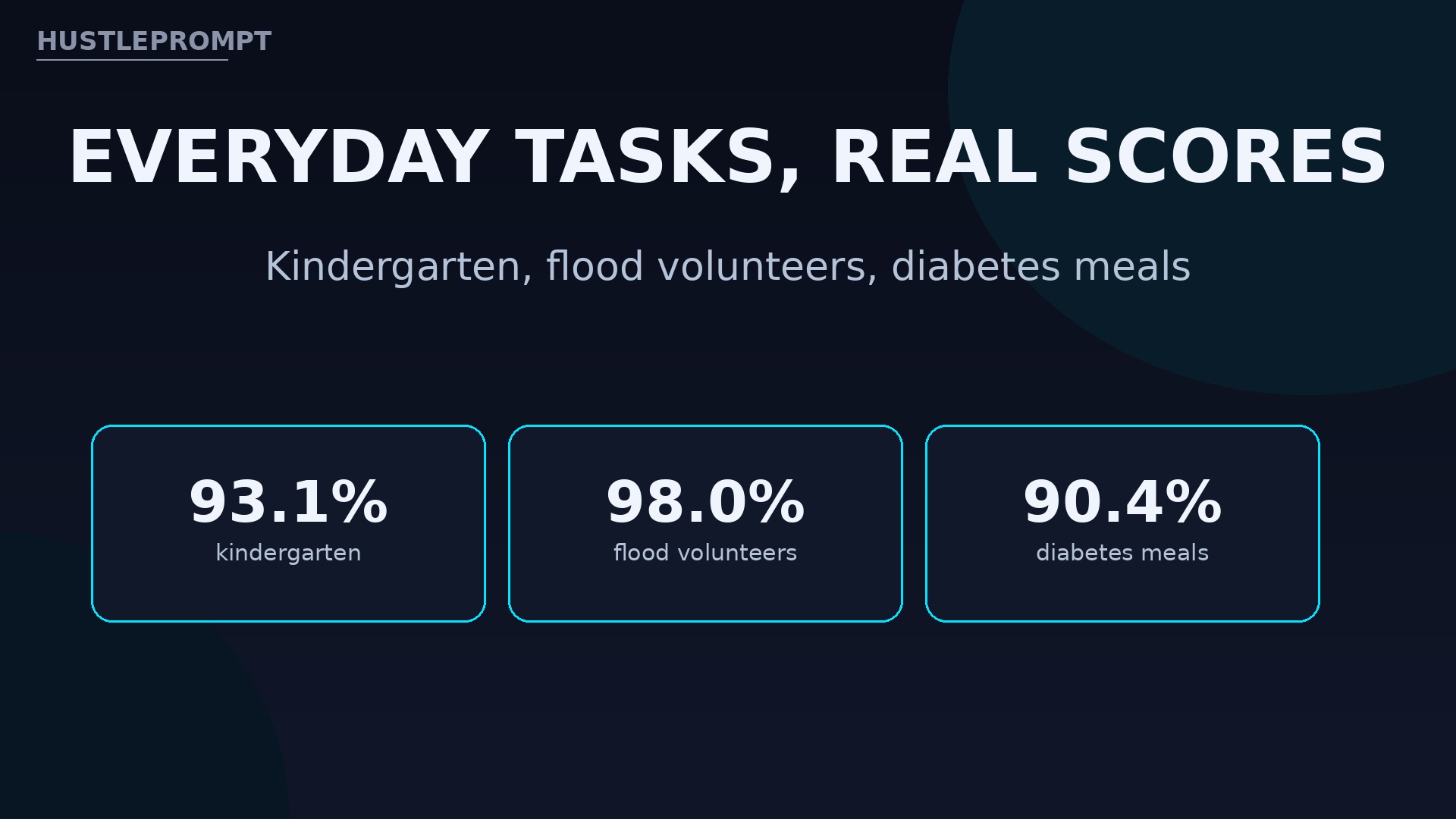
- Enroll in the right kindergarten after moving: 93.1%.
- Manage volunteers ahead of a flood: 98.0%.
- Find a new home for a family: 100%. The example requires a budget fit, a separate living unit, and a short commute after school drop-off.
- Watch a game with grandma from far away: 96.3%.
- Meal prep for a parent with a new diabetes diagnosis: 90.4%.
OpenAI also says the best recorded GPT-6 Astra runs hit 100% on some tasks, including booking a sensory class, a car-service inspection, halal groceries, and unsubscribing from email lists.
Those are best recorded scores, not averages: the ceiling, not the typical result.
What LifeVal Does Not Prove
Two caveats belong in any honest coverage, and OpenAI’s own announcement makes the first one easy to state.
First, OpenAI built LifeVal, picked the tasks, and reports the scores. The announcement describes no independent verification of the numbers.
Second, an average reward of 80.6% is not a claim that the model finishes 80.6% of real-life jobs with no errors. Real errands involve permissions, money, and irreversible steps.
Read alongside SemiAnalysis GDPx, published the same day, the message is consistent: useful, supervised help is here, but unsupervised completion is not.
How to Profit From LifeVal: Sell the Supervised Workflow
The money in LifeVal is not in claiming AI now handles life perfectly. It is in building the supervised service around the tasks people already want help with.
The LifeVal service stack
1. Pick one task family. Start with one area from LifeVal’s list, such as household administration or personal finances, not all seven.
2. Build a checklist, not a promise. Turn the task into steps a human reviews: shortlist, documents, deadlines, and a final sign-off.
3. Use the model for drafting and organizing. Let it compare options, draft plans, and gather paperwork, while a human approves anything involving money, health, or children.
4. Price the review, not the chat. Clients pay for a finished, checked result. The model output alone is not the product.
Concrete offers that fit this shape:
- Family move concierge: school shortlists, enrollment documents, and a move-week checklist, human-reviewed before submission.
- Household admin cleanup: subscription audits, unsubscribes, and paperwork organization, with a monthly change report.
- Care coordination support: appointment tracking, meal planning templates, and care-team question lists, marked as non-medical information.
- Budget setup service: a first-month budget from a client’s real bills, with the client approving every category first.
Price these as packages with a defined deliverable, not open-ended AI access.
Source: OpenAI’s LifeVal announcement.
Frequently Asked Questions
What is OpenAI LifeVal?
LifeVal is OpenAI’s benchmark for how well AI helps with everyday tasks, from finding childcare to managing finances and government paperwork.
What did GPT-6 Astra score on LifeVal?
GPT-6 Astra scored 80.6% average reward, up from 49.3% for GPT-5.2, 73.0% for GPT-5.4, 77.4% for GPT-5.5, and 80.0% for GPT-5.6.
How was LifeVal built?
OpenAI used the American Time Use Survey, the Multinational Time Use Study, and a new demographically representative survey of 3,995 respondents.
What tasks does LifeVal cover?
Caregiving, health, education, household administration, personal finances, shopping, and accessing government services.
Does 80.6% mean the model finishes 80.6% of real tasks?
No. It is an average reward score on OpenAI’s test, not a share of real-world jobs completed without errors, and OpenAI describes no independent verification in its announcement.
How should freelancers use LifeVal?
Build supervised, single-task services with human review before any money, health, or enrollment decision, and price the finished, checked result.