
Liquid AI’s d1.3-ultra took the top spot on the Artificial Analysis Decision Index — 11 days after its predecessor. The new decision model scores 76.4, first of 27 models tracked, while costing about 60% less per million tasks than the model it edged out.
Liquid announced the release on X on November 27, 2026. The model is live now in the Liquid console at $0.042 per million input tokens. OpenRouter and Vercel support is “soon,” with no date given.
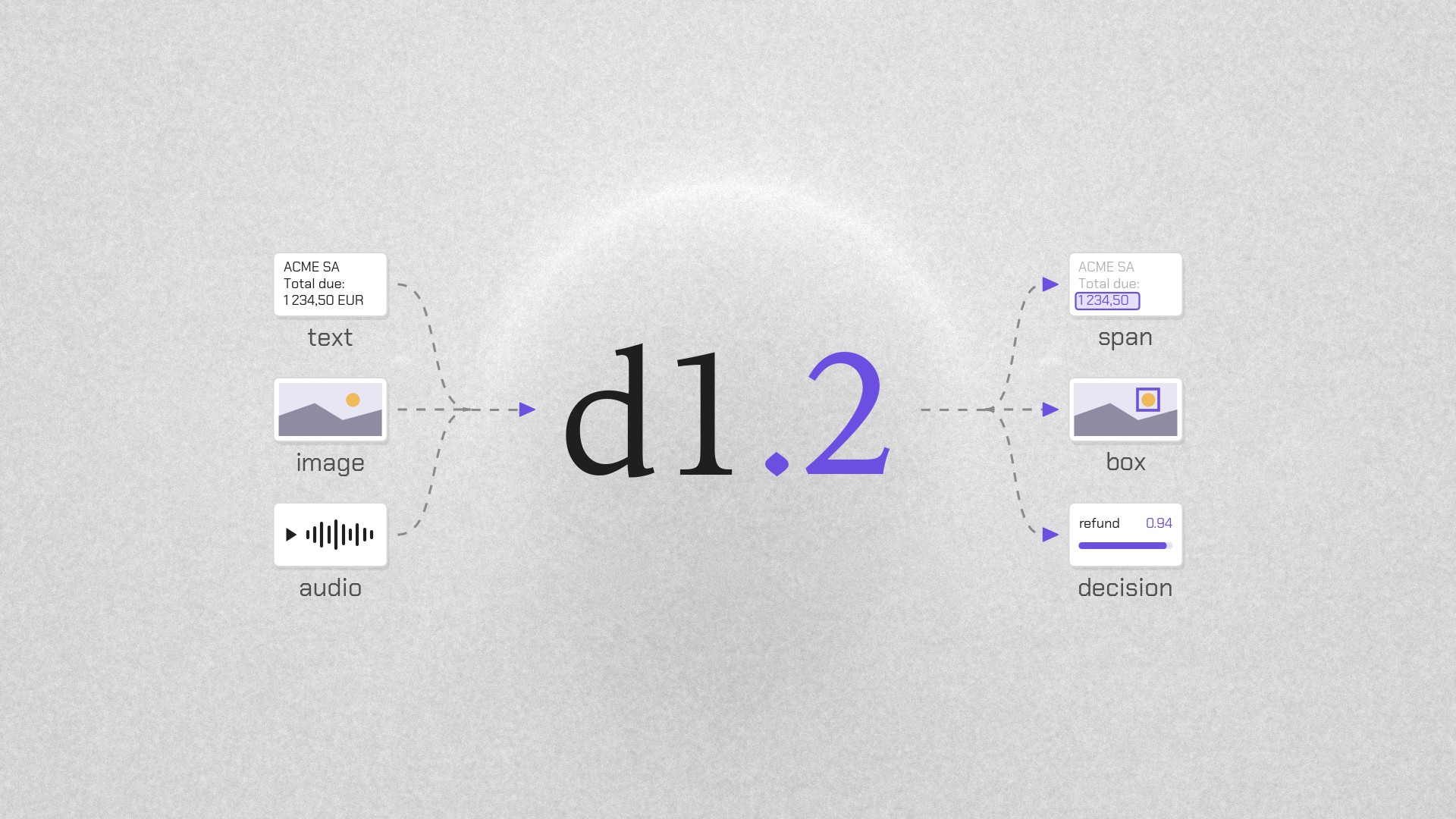
What a decision model actually does
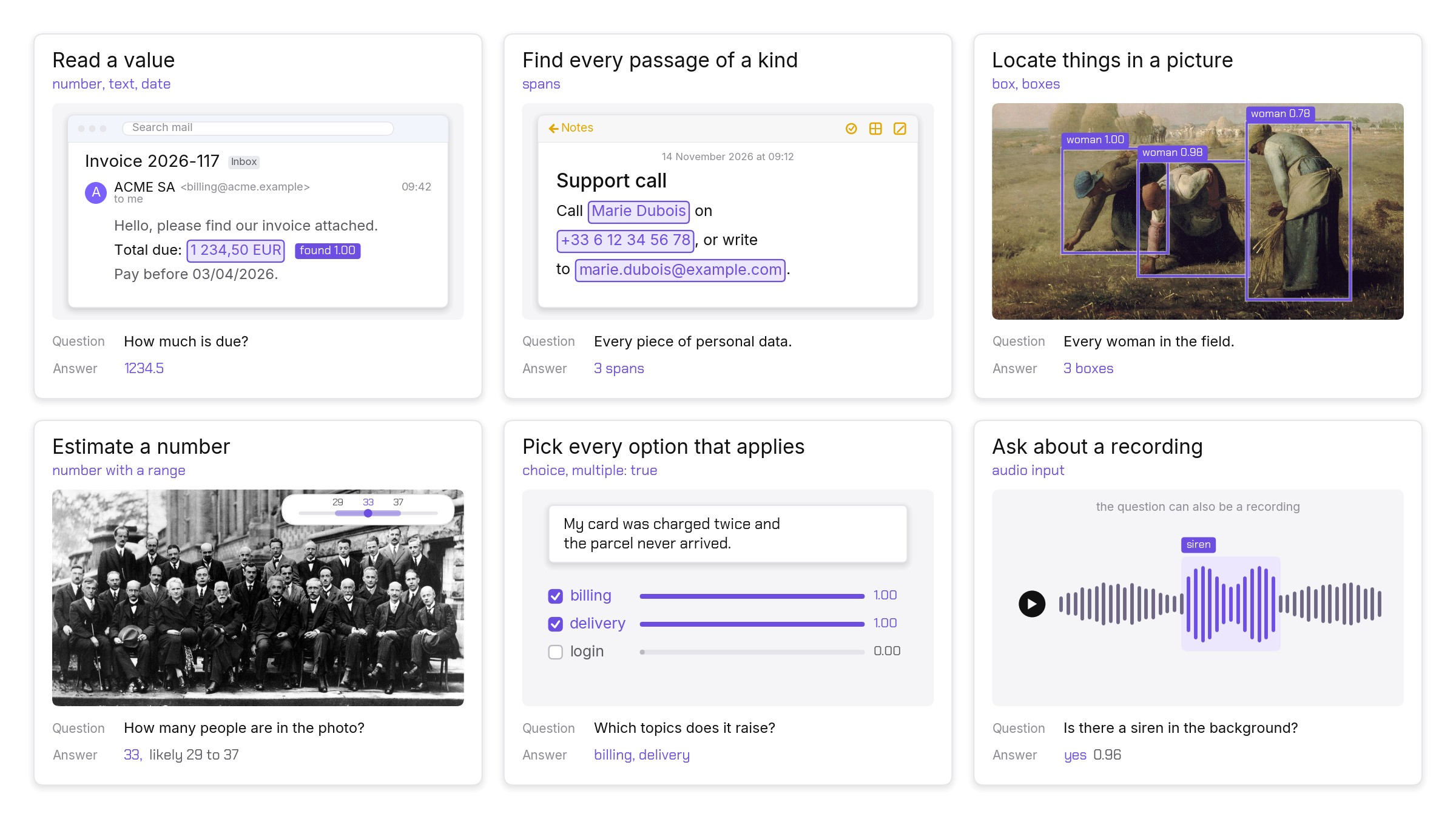
A decision model does not chat. You send it a document, photo, or audio clip, plus a list of questions. It returns an answer to each question with a probability for every option — in one pass, without writing text.
Typical jobs: routing support tickets, moderating content, scoring documents against a rule. Because nothing is generated, hosted models bill input tokens only. Liquid’s documentation describes the output as calibrated probabilities with zero generated tokens.
The probabilities are the point. A team can set a threshold, act automatically above it, and send the rest to a person. That only works if the numbers are honest — which is what the Decision Index measures.
The evidence: first place, at a lower price
The evidence: Liquid’s own words on the launch.
“Today we release d1.3-ultra, our most powerful decision model, recursively improved from d1-ultra. #1 on @ArtificialAnlys decision index 2.1. (76.4)”
— Liquid AI, announcement on X, November 27, 2026
Artificial Analysis runs every test itself, so the 76.4 is independent. Rounded, d1.3-ultra ties Bison 31B at 76; unrounded, it leads 76.4 to 75.9. See the Artificial Analysis page for d1.3-ultra.
| Model | Decision Index | Cost per 1M tasks | Time per task |
|---|---|---|---|
| Liquid AI d1.3-ultra | 76.4 | $133 | 191 ms |
| Base Labs Bison 31B | 75.9 | $345 | 154 ms |
| Liquid AI d1.2-ultra | 74.8 | $133 | 218 ms |
Source: Artificial Analysis Decision Index v2.1.
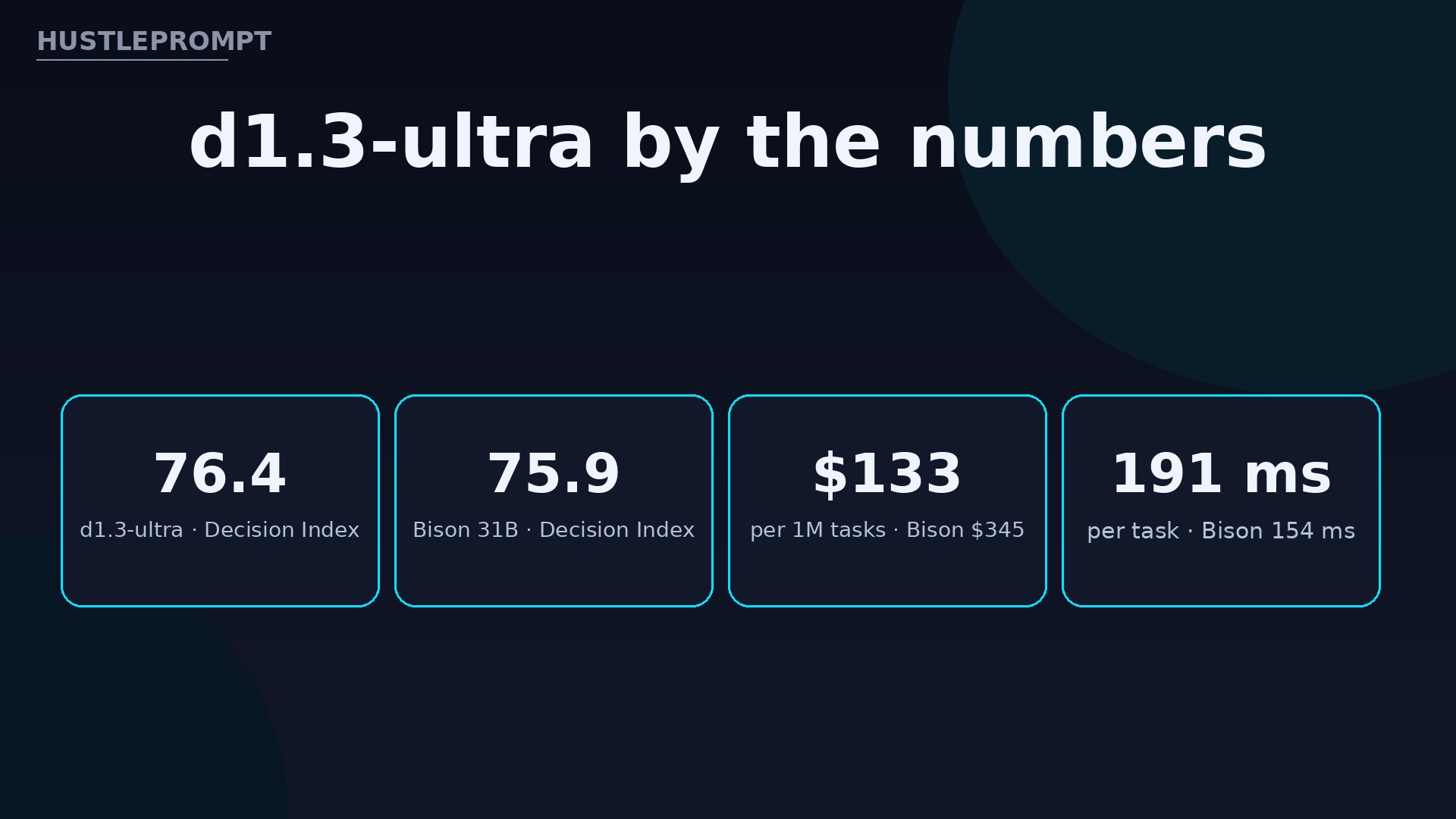
Cost and speed tell a different story. Artificial Analysis puts d1.3-ultra 11th of 27 on cost and 13th on speed, against medians of $137 and 192 ms. Bison 31B costs about 2.6 times as much to run the index — $345 against $133 — and answers 37 ms faster per task.
What’s new in d1.3-ultra
Liquid says d1.3-ultra improves across an internal suite of more than 100 benchmarks — in following a policy or contract, handling hard questions, refusing when unsure, and coping with messier inputs.
Three capabilities are new:
- Rankings. The model can order a set of options or return the top k.
- Reading from pictures and audio. Extraction now reads numbers and dates straight from images and audio, such as a receipt total.
- Audio spans. Spans now return start and end times for where something is said in a clip.
Training data now includes real scanned documents, receipts, tables, and long reports, plus dates in local formats. It also includes instructions planted inside the input, which the model must treat as data, not commands.
The catch: the pace is the price
Eleven days is how long d1.2-ultra held the top spot. Liquid’s documentation already marks d1, d1.1, and d1-ultra as deprecated, and as of November 28 it still listed d1.2-ultra as its most capable model.
Three things are still missing:
- No calibration figure. The post gives no numbers for the 100-plus internal benchmarks or for calibration. The d1.2 post reported 0.8 points for d1.2-ultra.
- No open weights. Nothing in Liquid’s materials suggests d1.3-ultra will be released as weights. Its open-weight decision models remain the small d1-2B, d1-omni-2B, and d1-omni-600M.
- No OpenRouter date. OpenRouter’s Liquid page lists d1.2 and d1.2-ultra, not d1.3-ultra. Liquid has given no date.
THE RELEASE PACE: FOUR FLAGSHIPS IN 53 DAYS
Oct 5: d1 launches the line.
Oct 15: d1-ultra follows.
Nov 16: d1.2 adds audio and five tasks.
Nov 27: d1.3-ultra takes the top spot.
Anyone calling a hosted model by name will be migrating often. Pin the version and test each upgrade — a silent model change is a silent behavior change.
How to profit from decision models
Decision models are plumbing, not a product. The money is in the workflow around them.
- Find a classification bottleneck. Support triage, invoice intake, lead scoring, content moderation.
- Price on the gap. At $0.042 per million input tokens, a thousand invoice reads costs cents. Charge per document or per seat.
- Sell the threshold, not the model. Auto-approve above 95% confidence and route the rest to a human. Clients pay for the guarantee and the audit trail.
- Start with one client, one document type. Prove the accuracy on their real invoices or tickets first, then expand.
- Pin the model version. With a new flagship every few weeks, hard-code the model name and re-test before switching.
Watch: Liquid AI demos decision models locating objects in one forward pass.
Frequently asked questions
What is Liquid AI d1.3-ultra?
d1.3-ultra is Liquid AI’s newest hosted decision model, released November 27, 2026. Instead of writing text, it returns answers with calibrated probabilities.
How much does d1.3-ultra cost?
$0.042 per million input tokens, with no output fees. Artificial Analysis puts it at $133 per million Decision Index tasks, against $345 for Bison 31B.
What score did d1.3-ultra get on the Decision Index?
76.4 on the Decision Index v2.1, first of 27 models tracked. Rounded, it ties Bison 31B at 76; unrounded, it leads 76.4 to 75.9.
Is d1.3-ultra open-weight?
No. Nothing in Liquid’s materials suggests the ultra models will be released as weights. Its open-weight decision models remain the small d1-2B, d1-omni-2B, and d1-omni-600M.
Where can I use d1.3-ultra today?
In the Liquid console and API right now. OpenRouter and Vercel support is coming soon, with no date given.
Keep Reading